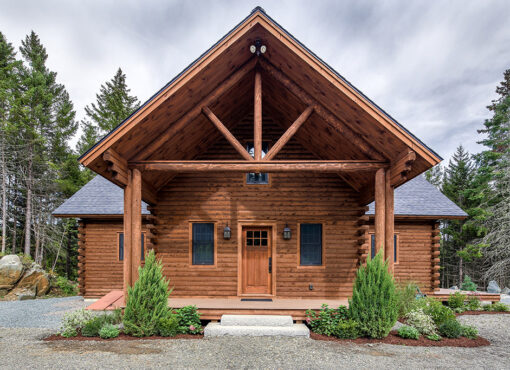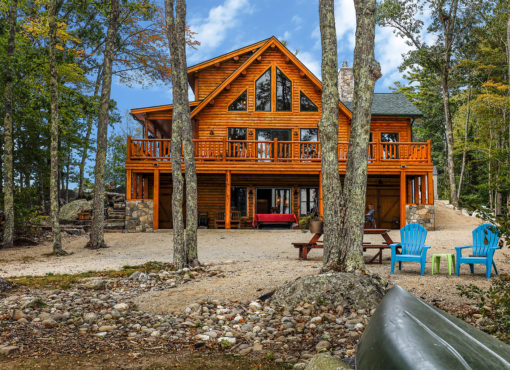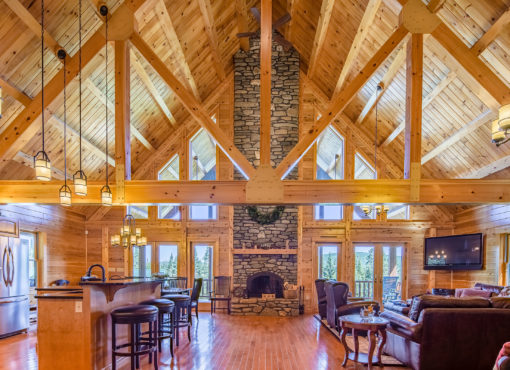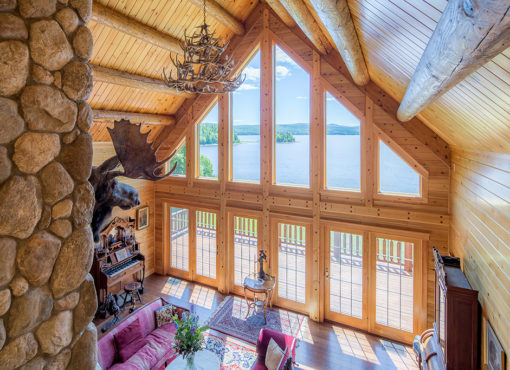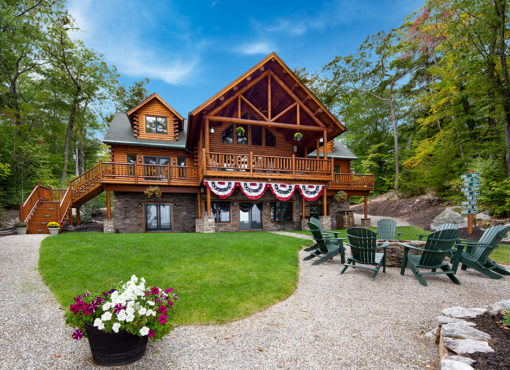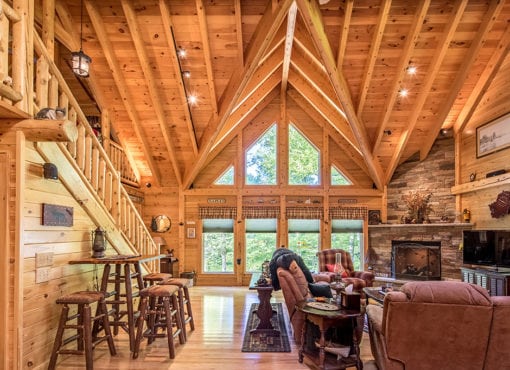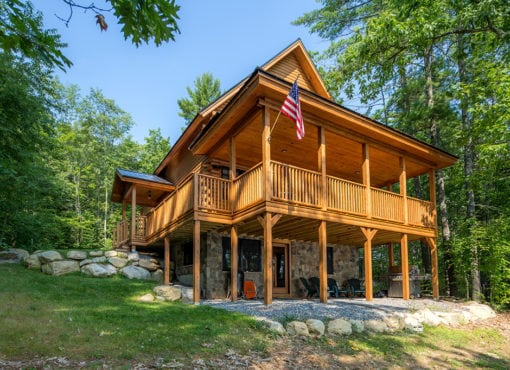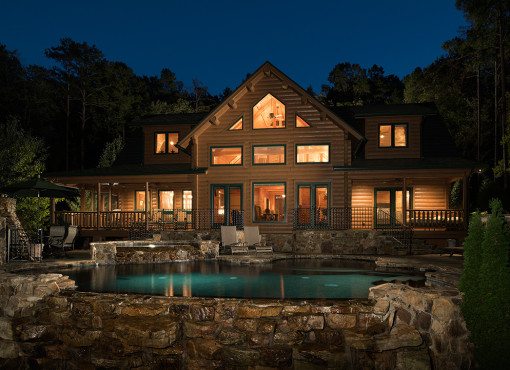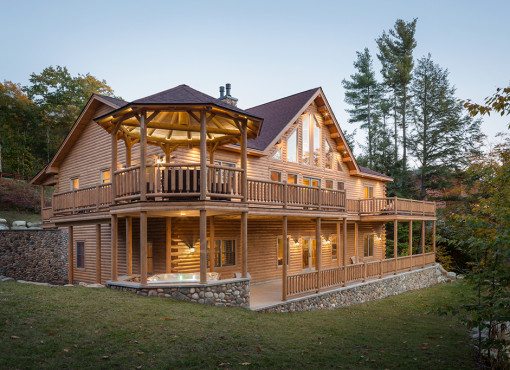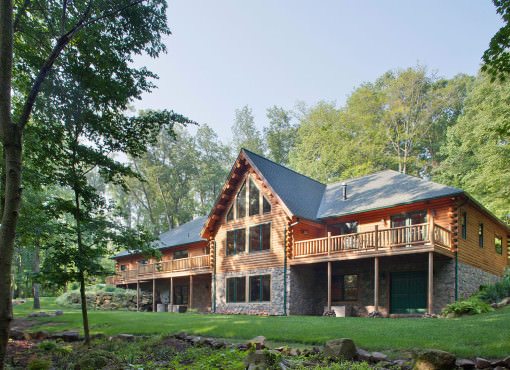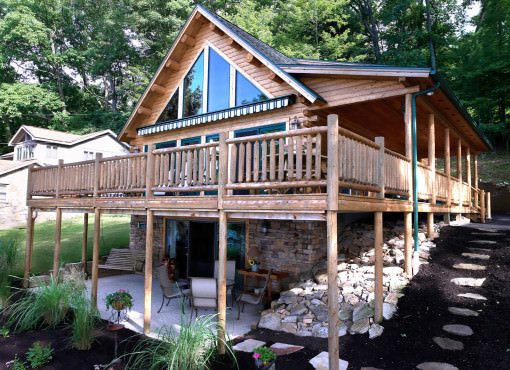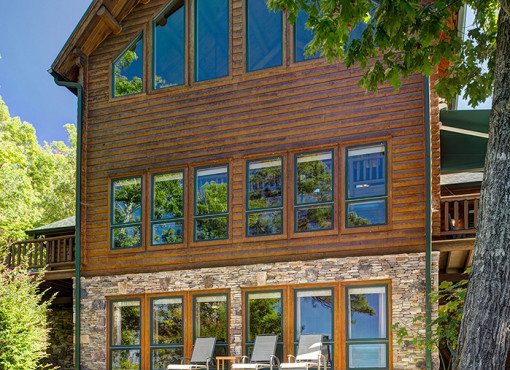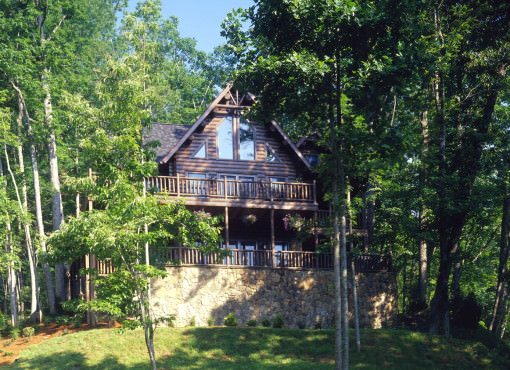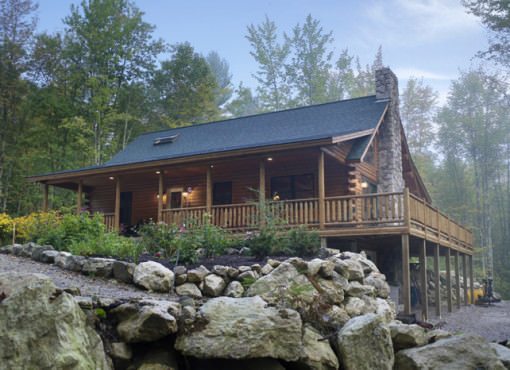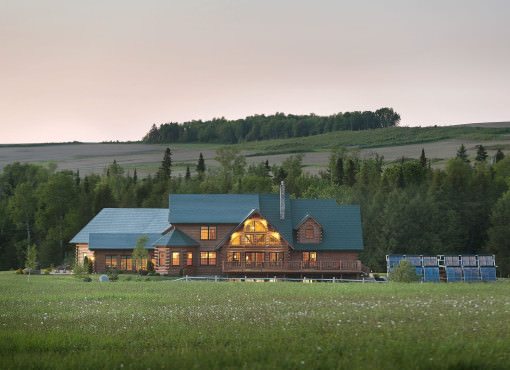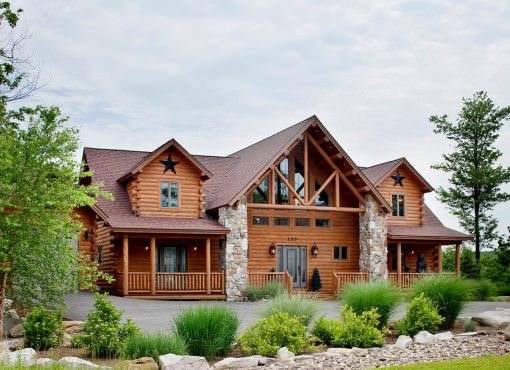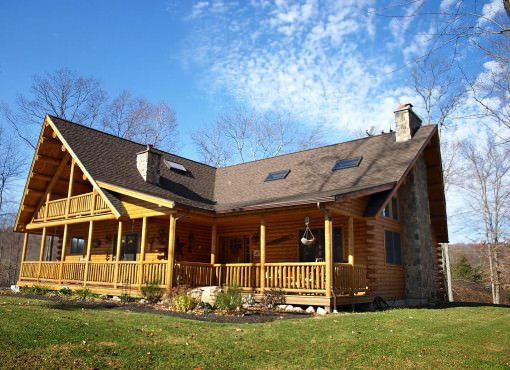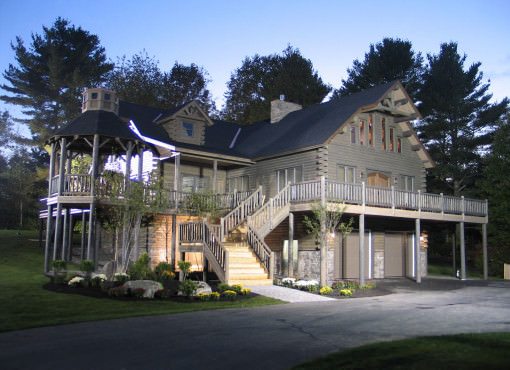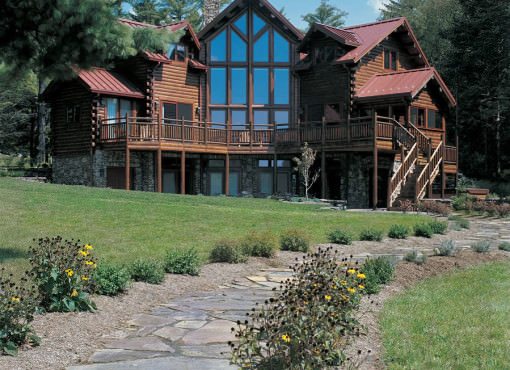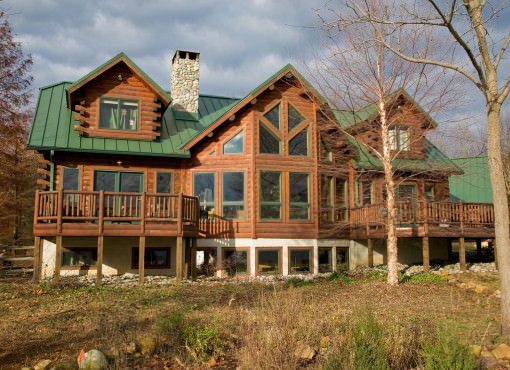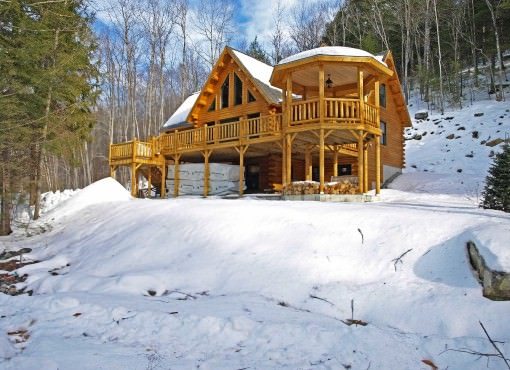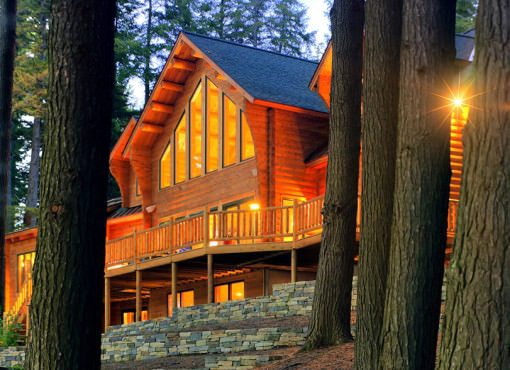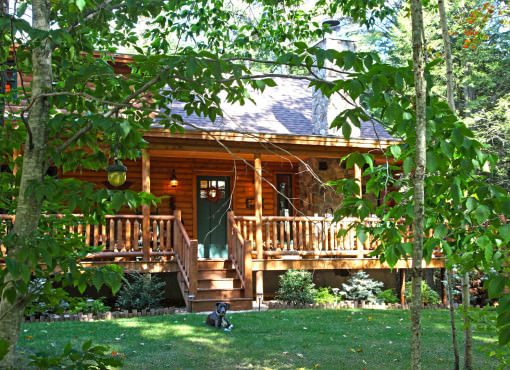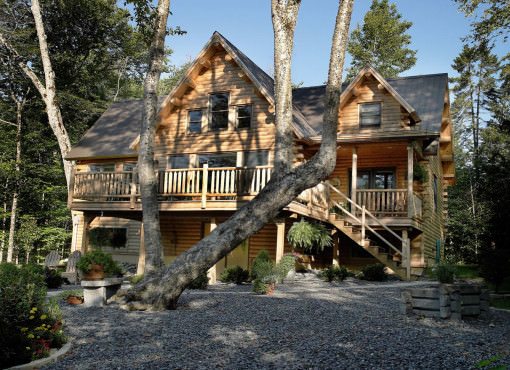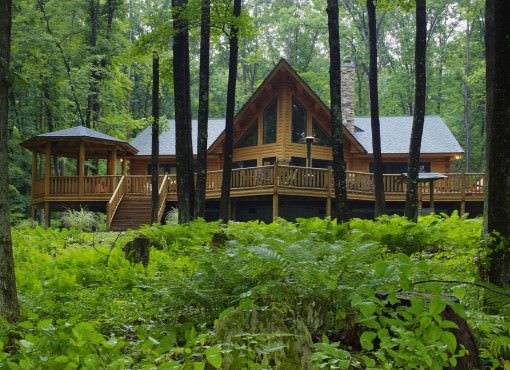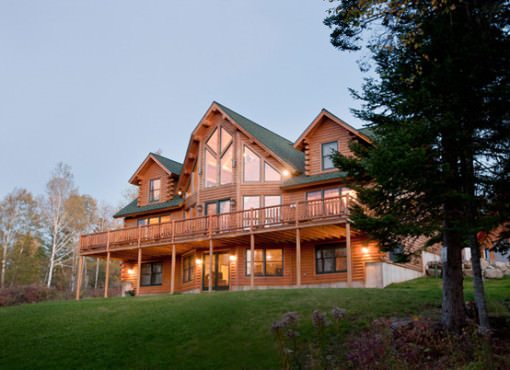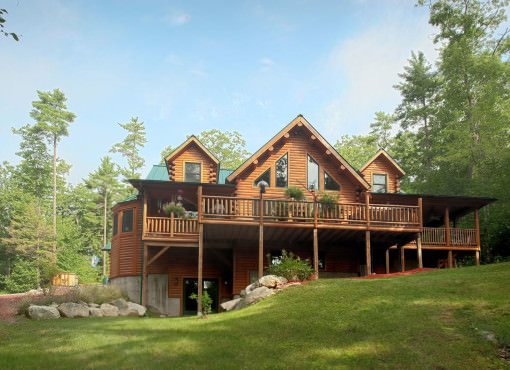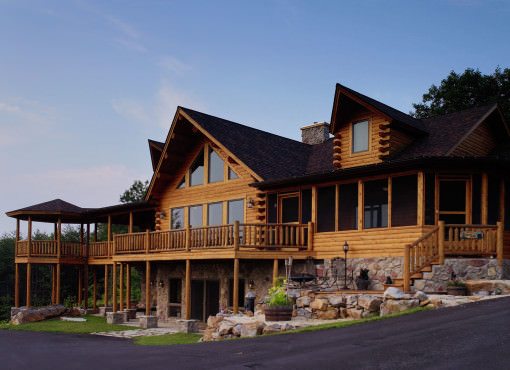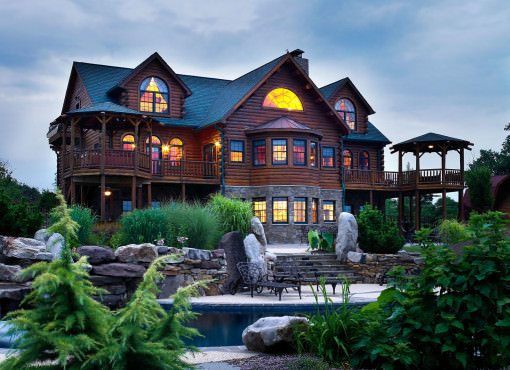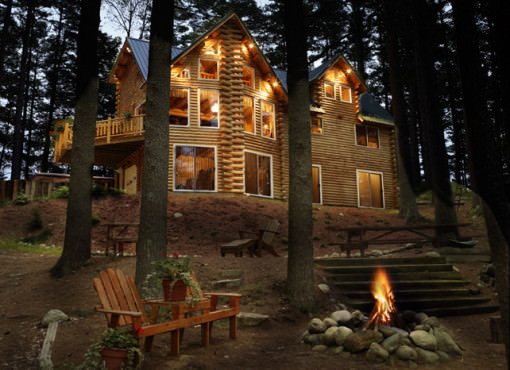
Northern White Cedar is at the heart of everything at Katahdin Cedar Log Homes. We know cedar: scientifically proven to have superior resistance to aging, insects, rot, cracking, shrinkage, heat and cold when compared to pine. We know where to find it in sustainable forests, how to use every bit of the tree and save the very finest for our beautiful log homes. We make more cedar log homes than anyone in the US, and the most cedar fence anywhere. That makes Katahdin the largest primary processor of Northern White Cedar in the world.
Our team is friendly, passionate, and available to answer your questions. Request more information here.
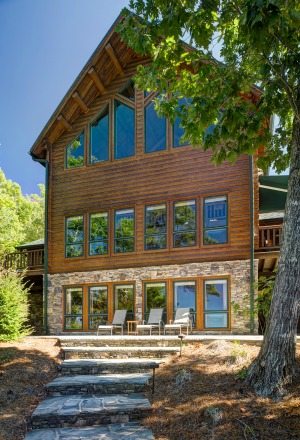 A tree is a tree – what’s the difference?
In short, the species of tree you choose for your log home can make a huge difference. Northern White Cedar (Thuja occidentalis) provides many advantages over pine, a commonly used wood in log homes.
Rot Resistance & Insects
Northern White Cedar naturally produces preservatives that make it one of the most decay and rot resistant of all woods, as well as insect tolerant. In a 1995 study, cedar flake board panels in Hawaii showed no symptoms of termite attack, despite two years of extensive termite exposure.(1) Cedar displays minimal cracking or checking because of its lower moisture content, and any checks will not penetrate through the heartwood of the log.
Pine is not naturally resistant to rot or insects. Pine requires kiln drying to kill insects in the wood, and preservative treatments to prevent future rot and insect damage. Surface treatments for pine lose their protective abilities once logs begin to crack and open up untreated areas. Large cracks in pine are common because of the higher moisture content.
Water Content
Northern White Cedar has less water content when green weighing about 3,500 lbs. per cord.(2) Katahdin naturally air dries to a desirable 14-16 percent moisture level in a fairly short time, as little as three months. Air-drying allows the wood to acclimate to a new moisture level without harming the wood fiber’s molecular structure. Depending on the weather, a brief finishing may be necessary. Katahdin’s “green” kiln is heated using their biomass boiler to create steam heat.
Green pine weighs an average of 4,700 lbs per cord, with more than twice the water content that cedar does.(2) Pine characteristically retains its water and usually is dried in a kiln to season the wood. Because the water is forced out quickly, cell rupture becomes a possible risk, which can weaken fibers and lead to cracking.
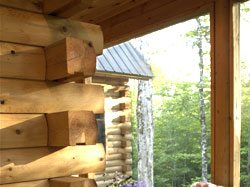 Durability
Untreated Northern White Cedar possesses high natural durability. A study conducted by University of Maine found that surveyors’ cedar corner posts and rail fences were still serviceable after 50 to 60 years of use.(2)
Untreated pine has a life expectancy of 3 to 7 years when in contact with the ground.(3)
Thermal rating (R-value)
The R-value is used to measure how well a material resists the flow of heat through it.
Northern White Cedar has an R-value of 1.41 per inch of thickness, the highest R-value of any of the species used in log homes.(4)
Pine species used in log home construction have an average R-value of 1.25 per inch of thickness.(4)
 Thermal Mass Factor
Another measure is Thermal Mass, which reflects a material’s density (in pounds per cubic foot) and its specific mass. The higher the R-Value/Thermal Mass Factor, the easier your home is to heat.
Northern White Cedar has an R-Value/Thermal Mass Factor of 3.78.(5)
Pine has an R-Value/Thermal Mass Factor of 2.76.(5)
Sustainability
Northern White Cedar is a renewable resource that is actively managed to ensure biodiversity, wildlife habitat and high-quality forest products. Protecting our natural environment has always been one of our core values.
Pine plantations are able to produce usable timber in relatively short periods of time, but they require a tremendous amount of resources to stump, seed, and prepare seedlings. Unlike cedar, which has natural resistance to insects and other pests, pine plantations need to use phosphate fertilizers, herbicides and insecticides to maintain healthy growth.
Cedar for the Price of Pine
So how do we do it?
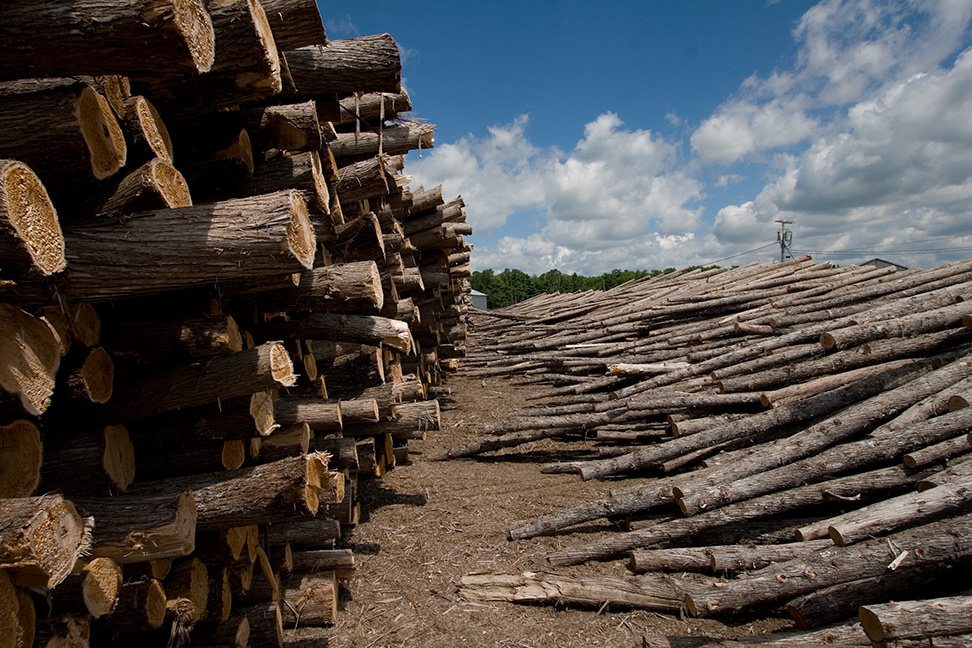 Location – Simply put, the proximity of any manufacturer to its chosen natural resource will have a direct and measurable impact on the cost of the final product. This is true in every industry. It is far more expensive to ship raw materials than finished products. As one of the world’s most resilient tree species, Northern White Cedar grows in many areas across North America; however, there are only a couple places where the trees grow large enough and can be sustainably harvested. Our headquarters and manufacturing facility in Northern Maine is located in the middle of one of the largest cedar forests in the world. This means that we can buy cedar just as easily as we can buy pine. We don’t have to special order it like other log home companies that predominantly use other species.
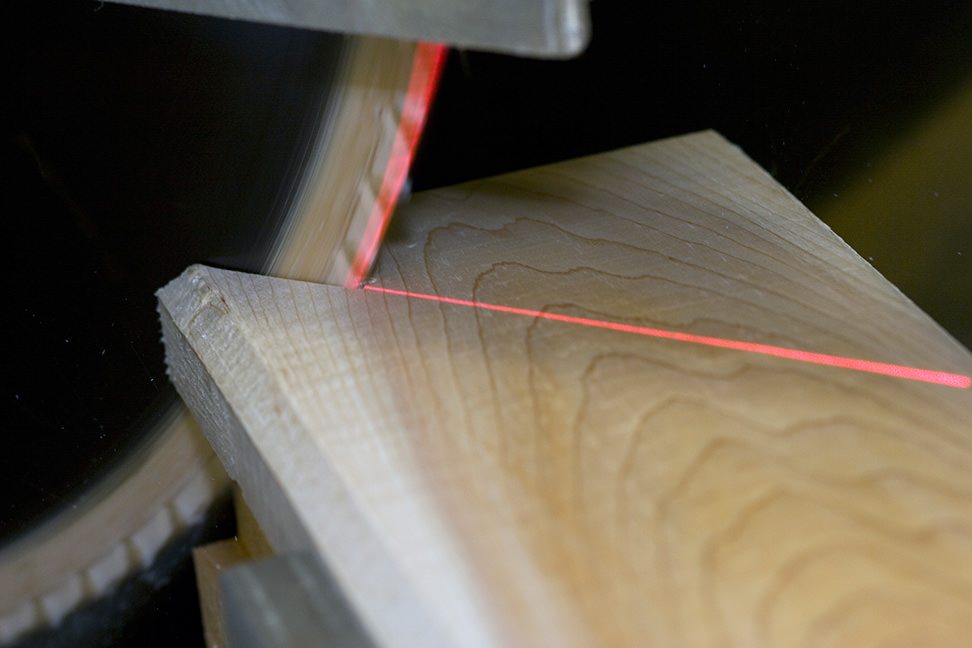 Unparalleled Manufacturing – Our proprietary computerized log manufacturing line (the “House Line”) is the most efficient, precise and complete log home milling facility in the world. Each log that is run through the computerized system is: cut to length; labeled and barcoded; notched for corners; spliced for connections; pre-drilled for lag screws; ‘hand-peeled’ (optional); and sequentially stacked for optimized building. The House Line is operated by 2 people and can produce 2 averaged sized homes in 1 day. Homes are produced faster with less labor, greater precision, less waste and significantly more pre-cutting. What that means to you is greater quality at a more competitive price and significant time/money savings on the job site.
Our logs are our own – Unlike other log home companies, we are not purchasing pre-sawn timbers from another sawmill and paying their profits. We start with the whole tree purchased directly from local landowners and saw everything ourselves.
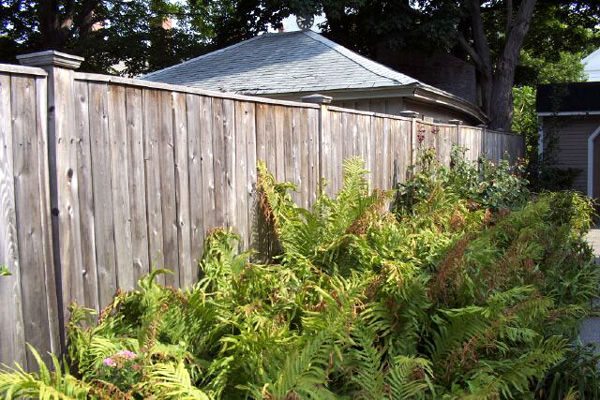 ZERO waste – Depending on the size and grade, any given log has the potential to produce nearly 200 different components for our three business segments – log homes, cedar fence, and small garden products. Wood chips and bark are hauled away to make mulch, and all sawdust, shavings and scraps are fed into our biomass boiler that heats our entire manufacturing facility. Our ability to use every piece of every tree keeps our costs down which, in turn, keeps our prices down.
More control + more products = better quality – It’s simple – from the very beginning, if a timber doesn’t meet our exacting specifications for a log home it can easily be turned into another product that we sell. Companies that only sell log homes do not have this luxury and face greater pressure to use every timber in the home. This either results in lower quality or more waste and higher prices. Read more about the cost of cedar on our blog.
Sources:
- Haataja, B.A. and P.E. Laks. 1995. Properties of flakeboard made from northern white-cedar. Forest Products Journal 45(1): 68-70
- University of Maine-Orono – Forest Products Laboratory and Forest Service, U.S. Dept. of Agriculture
- Forest Service, U.S. Dept. of Agriculture
- U.S. Dept. of Agriculture – Wood Handbook
- ASHRAE Handbook, American Society of Heating, Refrigeration and Air-conditioning Engineers